Ditapis dengan
# Debug Box
/home/diglibprima/public_html/lib/SearchEngine/DefaultEngine.php:692 "Search Engine Debug 🔎 🪲"
Engine Type ⚙️: "SLiMS\SearchEngine\DefaultEngine"
SQL ⚙️: array:2 [
  "count" => "select count(distinct b.biblio_id) from biblio as b left join mst_publisher as mp on b.publisher_id=mp.publisher_id left join mst_place as mpl on b.publish_place_id=mpl.place_id left join mst_gmd as mg on b.gmd_id=mg.gmd_id left join biblio_author AS ba ON ba.biblio_id=b.biblio_id left join mst_author AS ma ON ba.author_id=ma.author_id left join biblio_topic AS bt ON bt.biblio_id=b.biblio_id left join mst_topic AS mt ON bt.topic_id=mt.topic_id where b.opac_hide=0 and (b.call_number like ?)"
  "query" => "select b.biblio_id, b.title, b.image, b.isbn_issn, b.publish_year, b.edition, b.collation, b.series_title, b.call_number, mp.publisher_name as `publisher`, mpl.place_name as `publish_place`, b.labels, b.input_date, mg.gmd_name as `gmd`, GROUP_CONCAT(DISTINCT ma.author_name SEPARATOR ' - ') AS author, GROUP_CONCAT(DISTINCT mt.topic SEPARATOR ', ') AS topic, b.edition, b.collation, b.series_title, b.call_number from biblio as b left join mst_publisher as mp on b.publisher_id=mp.publisher_id left join mst_place as mpl on b.publish_place_id=mpl.place_id left join mst_gmd as mg on b.gmd_id=mg.gmd_id left join biblio_author AS ba ON ba.biblio_id=b.biblio_id left join mst_author AS ma ON ba.author_id=ma.author_id left join biblio_topic AS bt ON bt.biblio_id=b.biblio_id left join mst_topic AS mt ON bt.topic_id=mt.topic_id where b.opac_hide=0 and (b.call_number like ?) group by b.biblio_id order by b.last_update desc limit 10 offset 160"
]
Bind Value ⚒️: array:1 [
  0 => "3%"
]
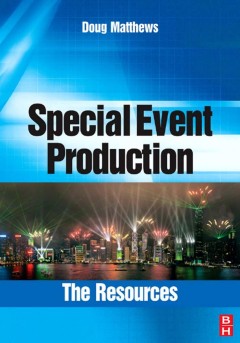
E-BOOK : SPECIAL EVENT PRODUCTION THE RESOURCES
One book tests the patience of authors and those close to them, but two books severely tighten the shackles to desk and computer, not to mention testing the friendships and loyalties of industry colleagues. Without these friendships and loyalties, this second book would not have come to fruition. I therefore wish to sincerely thank the following people for their part in its creation.
- Edisi
- -
- ISBN/ISSN
- 9780750685238
- Deskripsi Fisik
- -
- Judul Seri
- -
- No. Panggil
- 394.2 MAT s

ECONOMICS FOR MANAGERS
- Edisi
- -
- ISBN/ISSN
- 0717285111
- Deskripsi Fisik
- -
- Judul Seri
- -
- No. Panggil
- 330 STO e
- Edisi
- -
- ISBN/ISSN
- 0717285111
- Deskripsi Fisik
- -
- Judul Seri
- -
- No. Panggil
- 330 STO e
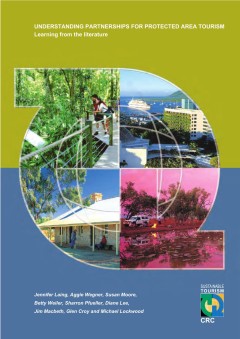
E-BOOK : UNDERSTANDING PARTNERSHIPS FOR PROTECTED AREA TOURISM - Learning fro…
As demand grows for tourism opportunities within Australian protected areas, partnerships are increasingly seen as the way forward in dealing with the variety of interests involved and ensuring that sustainability goals are pursued. Previous tourism partnership research has not made the most of opportunities to consult related literature from a broad range of disciplines and use associated t…
- Edisi
- -
- ISBN/ISSN
- 9781920965884
- Deskripsi Fisik
- -
- Judul Seri
- -
- No. Panggil
- 338.479194 LAI u
SERVICE MANAGEMENT MEWUJUDKAN LAYANAN PRIMA
- Edisi
- -
- ISBN/ISSN
- 97897905090
- Deskripsi Fisik
- -
- Judul Seri
- -
- No. Panggil
- 338.47 TJI s
- Edisi
- -
- ISBN/ISSN
- 97897905090
- Deskripsi Fisik
- -
- Judul Seri
- -
- No. Panggil
- 338.47 TJI s

E-BOOK : CORPORATE EVENT PROJECT MANAGEMENT
The term corporate event is defined in the Wiley International Dictionary of Event Management as “an event sponsored by a corporation for the purpose of achieving specific goals and objectives such as entertaining customers, introducing and promoting new products or services, or providing incentives or training for employees, as well as other activities.” Therefore, this simple term in…
- Edisi
- -
- ISBN/ISSN
- 0471402400
- Deskripsi Fisik
- -
- Judul Seri
- -
- No. Panggil
- 394.2 OTO c
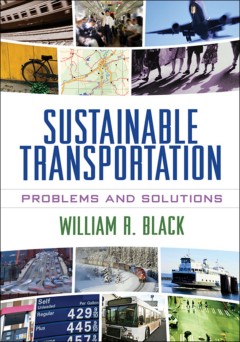
E-BOOK : SUSTAINABLE TRANSPORTATION - PROBLEMS AND SOLUTIONS
This book grew out of a course that I began teaching at Indiana University in the late 1990s, and I wish to thank my students from that time to the present, whose input has been critical in developing many of the ideas expressed in these pages. In the fall of 2006 I was invited by Dr. Pavlos Kanaroglou to spend part of a sabbatical leave at McMaster University’s Centre for Spatial Analysi…
- Edisi
- -
- ISBN/ISSN
- 9781606234853
- Deskripsi Fisik
- -
- Judul Seri
- -
- No. Panggil
- 388 BLA s
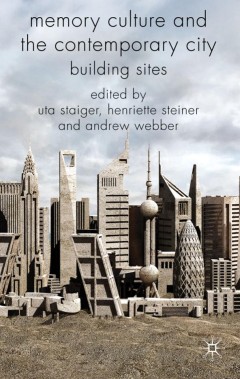
E-BOOK : MEMORY CULTURE AND THE CONTEMPORARY CITY
The idea of this book developed out of a conference held at Cambridge University in July 2007. Several institutions and people made this event, and thus the book, possible. The editors would like to thank the Centre for Research in the Arts, Social Sciences and Humanities (CRASSH) at Cambridge, in particular Mary Jacobus and Anna Malinowska, for their support of this project. Vital financi…
- Edisi
- -
- ISBN/ISSN
- 9780230576650
- Deskripsi Fisik
- -
- Judul Seri
- -
- No. Panggil
- 306 WEB m
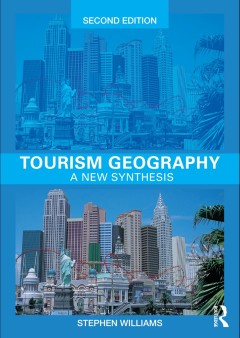
E-BOOK : TOURISM GEOGRAPHY A NEW SYNTHESIS - Second Edition
- Edisi
- 2
- ISBN/ISSN
- 9780203877555
- Deskripsi Fisik
- -
- Judul Seri
- -
- No. Panggil
- 338.4 WIL t
- Edisi
- 2
- ISBN/ISSN
- 9780203877555
- Deskripsi Fisik
- -
- Judul Seri
- -
- No. Panggil
- 338.4 WIL t
E-BOOK : PARKS AND CARRYING CAPACITY COMMONS WITHOUT TRAGEDY
- Edisi
- -
- ISBN/ISSN
- 9781559631051
- Deskripsi Fisik
- -
- Judul Seri
- -
- No. Panggil
- 333.78 MAN p
- Edisi
- -
- ISBN/ISSN
- 9781559631051
- Deskripsi Fisik
- -
- Judul Seri
- -
- No. Panggil
- 333.78 MAN p
E-BOOK : CHINA’S OUTBOUND TOURISM
The People’s Republic of China has changed from a country that discouraged tourism as a useless bourgeois activity into one of the major source markets for international tourism. In excess of 30 million Chinese travelled across the border in 2005, yet they are only the tip of the iceberg of the Chinese who have acquired the taste, money and freedom for international travel. China’s Out…
- Edisi
- -
- ISBN/ISSN
- 9780203968161
- Deskripsi Fisik
- -
- Judul Seri
- -
- No. Panggil
- 338.4 ARL c
 Karya Umum
 Filsafat
 Agama
 Ilmu-ilmu Sosial
 Bahasa
 Ilmu-ilmu Murni
 Ilmu-ilmu Terapan
 Kesenian, Hiburan, dan Olahraga
 Kesusastraan
 Geografi dan Sejarah